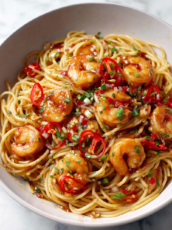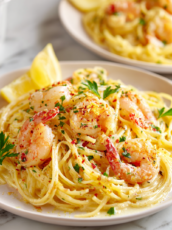
When I first stumbled upon this sauce, it was in a moment of kitchen chaos—leftover peanut butter, a handful of soy, and a craving for something savory. It’s one of those accidental recipes that feels like a secret weapon—simple, forgiving, and deeply satisfying.
There’s something about the creamy, slightly salty, nutty flavor that makes me think of childhood snacks, but with a grown-up twist. I love drizzling it over roasted sweet potatoes, steamed greens, or even cold noodles, making each bite feel a little more special.
How this savory peanut butter sauce can transform everyday vegetables into a rich, comforting dish with just a spoonful.
Why This Sauce Matters to Me
- I love how quick this comes together—a real lifesaver after a long day.
- It reminds me of childhood snacks but feels so much more grown-up.
- I get excited seeing how a simple spoonful can elevate plain veggies.
- This sauce has become my secret weapon for impressing friends at dinner parties.
- Every time I make it, I feel a little proud of turning pantry staples into something special.
My Inspiration Behind This Savory Peanut Butter Sauce
- I once added a splash of soy to a peanut butter sandwich, and it was a revelation. That moment sparked the idea to turn it into a sauce.
- The balance of salty, nutty, and a hint of heat makes it endlessly adaptable.
- It’s become a way for me to add depth to simple dishes without fuss.
A Bit of History & Trivia on Savory Peanut Sauce
- Peanut sauce has roots in Southeast Asian cuisines, especially Thailand and Indonesia.
- The savory version often features soy, garlic, and ginger, diverging from sweeter peanut sauces.
- Peanut butter as a shortcut became popular in Western kitchens in the late 20th century.
- This sauce can be customized with ingredients like coconut milk or lime for different regional twists.
Ingredient Insights & Tips
- Peanut butter: I prefer natural, creamy peanut butter—just peanuts and salt. It melts smoothly, giving the sauce a rich, velvety feel. Skip the sugar-added kinds for a more authentic flavor.
- Soy sauce: Adds saltiness and umami. If you want less sodium, try coconut aminos but expect a slightly sweeter note.
- Ginger: Fresh ginger gives a spicy brightness that wakes up the sauce. Use less if you prefer milder warmth.
- Garlic: Provides depth and pungency. Roasted garlic can add a mellow, caramelized note.
- Water: Helps achieve the right consistency. Use hot water to loosen the sauce without breaking it.
- Honey or sugar: Balances salt and heat. Use sparingly, as too much can dull the nutty flavor.
- Chili flakes: For a gentle kick. Adjust to taste, adding more for a fiery punch.
Spotlight on Key Ingredients
Peanut Butter:
- Natural peanut butter: Oozy, rich, melts into the sauce smoothly. Watch out for oil separation—stir well.
- It thickens quickly, so add water gradually. The aroma is deeply nutty.
- Can substitute with almond butter for a different nutty flavor, but expect a slightly different texture.
Soy Sauce:
- It’s salty and umami-rich, giving the sauce depth. Watch for a dark, glossy finish.
- It can stain your spoon or bowl; use a little at a time to control salt.
- Coconut aminos work as a milder, sweeter alternative without losing umami.
Ingredient Substitutions for Different Diets & Flavors
- Dairy-Free: Use coconut milk instead of water for a richer, creamier sauce.
- Gluten-Free: Swap soy sauce with tamari or coconut aminos.
- Sweetener: Maple syrup or agave can replace honey for a different sweetness profile.
- Vegan: Ensure your soy sauce and sweeteners are vegan-friendly.
- Spicy: Use Sriracha or chopped fresh chilies instead of chili flakes for more heat.
Equipment & Tools
- small saucepan: to gently heat and blend ingredients
- whisk: to stir and smooth the sauce
- measuring spoons: to add precise seasonings
- immersion blender or small blender: for ultra-smooth sauce
Step-by-Step Guide to Making Savory Peanut Butter Sauce
- Gather your equipment: a small saucepan, a whisk, a measuring spoon, and a bowl for mixing.
- Warm the pan over low heat, about 60°C (140°F). Add peanut butter, soy sauce, and a splash of water. Stir gently.
- Continue stirring until the mixture is smooth and slightly thickened, about 3-5 minutes.
- Add garlic, ginger, and a pinch of chili flakes if using. Stir and cook for another minute.
- Taste and adjust seasoning—more soy for saltiness, honey or sugar for sweetness, lime juice for brightness.
- If the sauce thickens too much, stir in a tiny splash of hot water until it reaches your desired consistency.
- Remove from heat. Let it sit for a minute to meld flavors.
- Serve warm or at room temperature, drizzled over vegetables or grains.
- For a silky texture, blend briefly with an immersion blender or in a small countertop blender.
- Keep warm or transfer to a jar for storage.
Let the sauce rest for 2-3 minutes to allow flavors to meld before serving.
How to Know It’s Done
- Color should be a warm, peanut butter hue—smooth and glossy.
- Smell should be rich, nutty with a hint of garlic and ginger.
- Texture should be velvety, not clumpy or greasy. It should coat the back of a spoon.
Savory Peanut Butter Sauce
Ingredients
Equipment
Method
- Place a small saucepan over low heat and add the creamy peanut butter along with soy sauce. Stir gently until the mixture begins to loosen and becomes smooth, about 2 minutes.
- Add the minced garlic and grated ginger to the pan. Continue stirring as the aromas of garlic and ginger fill the air, cooking for another 1-2 minutes until fragrant.
- Stir in honey and chili flakes, mixing well to combine all the flavors. Let the sauce cook for another minute, watching as it thickens slightly and develops a glossy appearance.
- Gradually add hot water, a tablespoon at a time, whisking constantly until the sauce reaches your preferred consistency—smooth and pourable but not too thin.
- Remove the saucepan from heat and squeeze in fresh lime juice if using. Taste the sauce and adjust seasoning with more soy or honey if desired.
- Transfer the sauce to a bowl or jar. Let it sit for a minute to allow flavors to meld. The sauce should be velvety, fragrant, and ready to drizzle over your favorite vegetables or noodles.
Notes
Cooking Tips & Tricks for Perfect Sauce
- Use low heat: high heat can burn the peanut butter and ruin the flavor.
- Stir constantly: keeps the sauce smooth and prevents sticking.
- Add liquids gradually: helps control the consistency and prevents separation.
- Taste as you go: adjust salt, sweetness, and acidity for perfect balance.
- Use fresh ginger and garlic for the brightest flavor.
Common Mistakes & How to Fix Them
- FORGOT TO STIR CONSTANTLY?—Stir more vigorously or reheat gently, adding water to loosen.
- DUMPED TOO MUCH SOY?—Add a touch more water or honey to balance saltiness.
- OVER-TORCHED THE PEANUT BUTTER?—Reduce heat immediately and stir in cold water.
- SEIZED OR GRAINY SAUCE?—Remove from heat and whisk in a little hot water or oil.
Quick Fixes for Saucy Situations
- If sauce is too thick, splash in hot water and stir until smooth.
- When sauce is too salty, add a pinch of sugar or honey.
- Splash in a bit more water if it’s too runny.
- Patch flavor with a squeeze of lime or splash of vinegar.
- Shield from direct heat to prevent burning or separation.
Make-Ahead and Storage Tips
- Can be made up to 2 days ahead. Store in an airtight jar in the fridge.
- The flavors deepen overnight, making it even tastier.
- Reheat gently on low, stirring until smooth. Add a splash of water if needed.
- Will keep in the fridge for up to 3 days, but the oil may separate.
10 Practical Q&As About Making Savory Peanut Butter Sauce
1. Can I use crunchy peanut butter?
Use natural peanut butter for a richer, creamier sauce. Stir well to break down the oils.
2. Should I add acid?
Add a splash of lime juice or vinegar for a tangy brightness that balances the richness.
3. How hot should the sauce be simmered?
Simmer gently over low heat, about 60°C (140°F), to prevent burning and keep it smooth.
4. When do I add the seasoning?
Taste and adjust salt or sweetness last—soy sauce or honey are good finishing touches.
5. How do I keep it from becoming too thick?
The sauce thickens quickly once cooled; serve immediately or warm gently to loosen.
6. How often should I stir during cooking?
Stir constantly to avoid sticking or burning, especially as it thickens.
7. Can I blend this for a smoother texture?
Use a small whisk or spoon for smoothness. A blender can help if you want it super silky.
8. How long does it last in the fridge?
Store leftovers in an airtight container in the fridge for up to 3 days.
9. How do I reheat without changing the texture?
Reheat gently on low, stirring until smooth. Test the heat and consistency before serving.
10. What if the sauce gets too thick after cooling?
Adjust the consistency with a bit of water or broth if it thickens too much upon standing.
This sauce isn’t just a quick fix. It’s a reminder that a handful of pantry staples can turn into something rich and layered, no fancy ingredients required.
Once you’ve got the hang of it, it’s a go-to for busy nights or when you want to add a hearty, flavorful punch to any veggie or grain bowl. It’s the kind of thing that sneaks into your regular rotation, quietly making everything taste better.

Welcome to Owning This Stove. I’m so glad you’re here. I’m a food blogger, recipe developer, and storyteller who believes food is one of the most honest ways to understand a place, a person, or a moment in time. This blog is where I collect those moments, from quiet mornings in unfamiliar kitchens to crowded cafés filled with conversation and clinking cups.